
Start with the electricity you use, and when you use it
Commercial solar is worth investigating when the electricity it can supply has a useful place in your business. A large roof or a high monthly bill is a starting point, but neither tells you what size system makes financial sense.
A shop, workshop or office using power through the day has a different requirement from a venue with a large evening load. Refrigeration, pumps, air conditioning and production equipment also behave differently. We begin by understanding those loads and the problem you want to solve: electricity cost, continuity, diesel use, an unreliable existing installation, or a combination.
Bring information that changes the decision
For a useful first discussion, gather what you already have. Missing interval data does not prevent an enquiry; it may mean that measurement is the next step before detailed design.
- Recent electricity bills, preferably covering a full year, with the tariff and meter details visible.
- Operating hours, busy periods, planned expansion and any substantial seasonal changes.
- A list of equipment that must keep running, including motor starting requirements where known.
- Available consumption records and existing solar or generator monitoring information.
- The site location, roof or ground-space constraints, and whether you own or lease the property.
Read the text explanation and sources
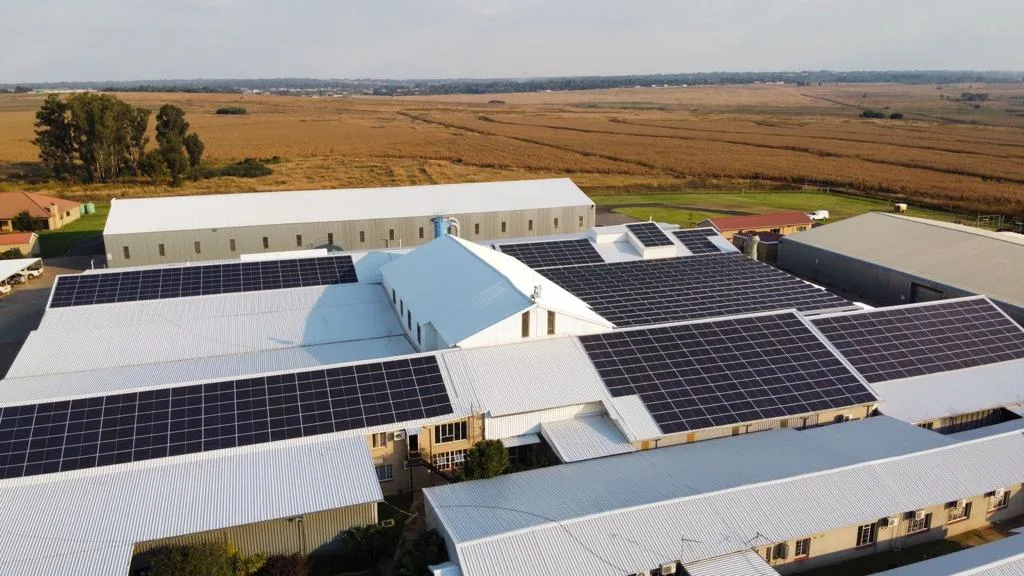
- The photograph shows arrays of solar panels on the metal roofs of a commercial building.
- Rows of panels are visible across several pitched roofs.
- Use the site's actual energy and tariff evidence before assessing a new proposal.
Separate energy savings from backup power
Solar generation, battery storage and an inverter's output rating do different jobs. A proposal should explain which loads run during a grid outage, how long the selected reserve is expected to last under stated conditions, and what happens when that reserve is exhausted.
Batteries can have a strong operational purpose without being the best way to maximise electricity savings. Conversely, a grid-connected solar installation can reduce daytime grid purchases without supplying a building during an outage. The design must make that distinction explicit.
Ask for a financial model you can question
A credible assessment shows its assumptions: usable solar production, electricity used on site, export arrangements if applicable, the tariff, maintenance, funding costs and any equipment replacements included in the model. Forecasts should be labelled as forecasts.
Look at more than one scenario. Lower consumption, a different tariff or an unexpected change in operating hours can alter the result. A simple payback estimate is useful for a first comparison, but it does not describe financing cash flow or all the costs over the system's life. Any tax treatment needs advice appropriate to your business; it should not be assumed from a generic solar advert.
Include the people who will own the outcome
The owner or finance team needs to understand the investment. Operations needs to understand installation access and downtime. The person responsible for facilities needs a clear handover, monitoring arrangements and a route to support.
Ask who will notice a loss of production, what a monitoring service actually includes and which response commitments are written into the agreement. Access to an app alone is different from someone being responsible for reviewing it.
Take the next step
Tell us where your business operates, what you want to improve and roughly how much electricity you use. We can then identify whether an initial review, measurement exercise or site assessment is the right next step, and confirm site suitability, coverage and scope with you.
Sources and further reading
See the approach in practice
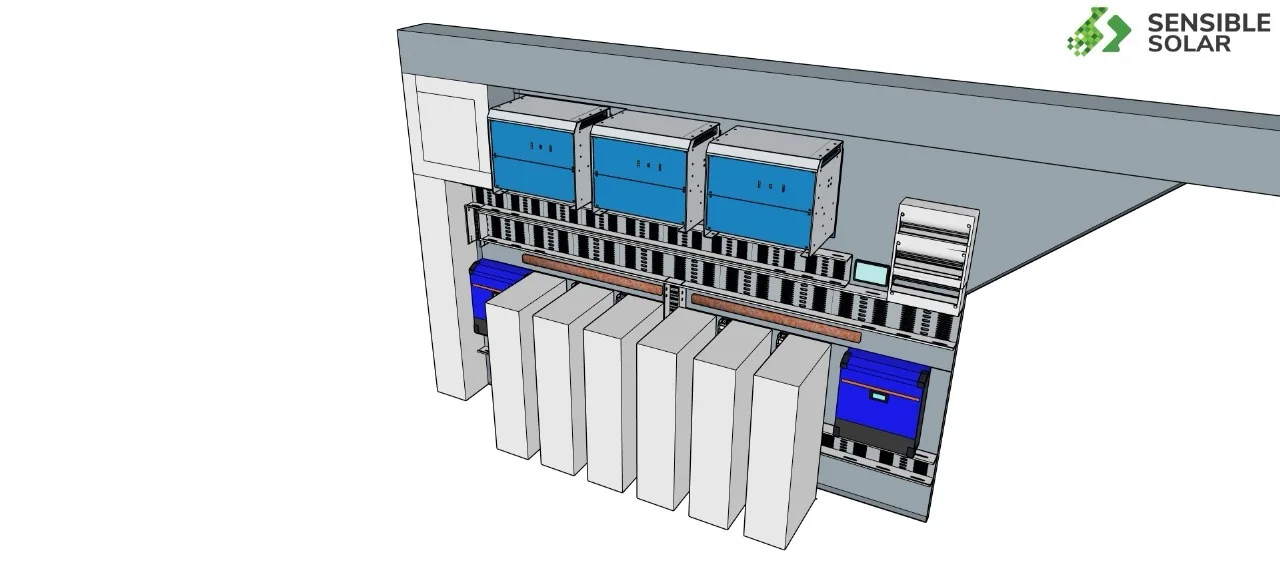
Solar and storage
From concept to installation
A 45 kVA project with 112 kWh of energy storage.
See the project